Algarve-South-Portugal.com
The best independent guide to Tavira
Algarve-South-Portugal.com
The best independent guide to Tavira
Tavira, Portugal: an independent travel guide for 2026
My Portuguese wife, who has travelled every corner of her country, calls Tavira the prettiest town in the Algarve. After two decades of returning here together, I've yet to hear a convincing argument against her.
Tavira sits on the banks of the slow-flowing Gilão River, the elegant and historic heart of the eastern Algarve. Centuries of Moorish heritage blend with a distinctly Portuguese character, giving the town an atmosphere unlike anywhere else in the region. Its well-preserved centre is a maze of cobbled streets, where traditional tiled houses and grand merchant villas stand alongside the town's 36 churches. Rising above it all are the ruins of a medieval castle, with views that stretch across the terracotta rooftops to the lagoons beyond.
What sets Tavira apart is its unique setting. To the south lie the saltwater lagoons of the Ria Formosa, a natural barrier separating the town from a chain of unspoilt sandbar islands. These islands offer glorious, windswept beaches that feel a world away from the busy resorts of the central Algarve, reached by a short ferry crossing or, in the case of the Praia do Barril, a miniature train through the dunes. If you are seeking the traditional Algarve, with an abundance of Portuguese charm and a slower pace than the resorts further west, you have found it in Tavira.
What you will come to love most, though, is the pace. Tavira is a town built for unhurried days: long lunches by the river, afternoons drifting between cafes, evenings in the bars of the old quarter. This is where I brought my parents when they wanted a holiday in Portugal, knowing that the calm and the charm would suit them perfectly.
I have lived in and explored the Algarve since 2001, and together with my Portuguese wife I have come to know the Tavira region intimately. This guide draws on over two decades of firsthand experience and local knowledge to help you plan your holiday or day trip.
My Highlights of Tavira
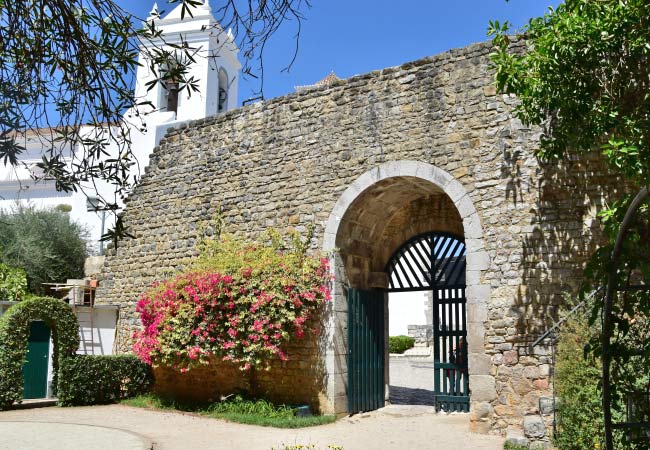
The historic centre: Cobbled streets wind past tiled houses and Moorish remnants, down to the fishing houses along the Gilão River, and up to the ancient castle with its views across the rooftops. After two decades of visits, I still never tire of it.
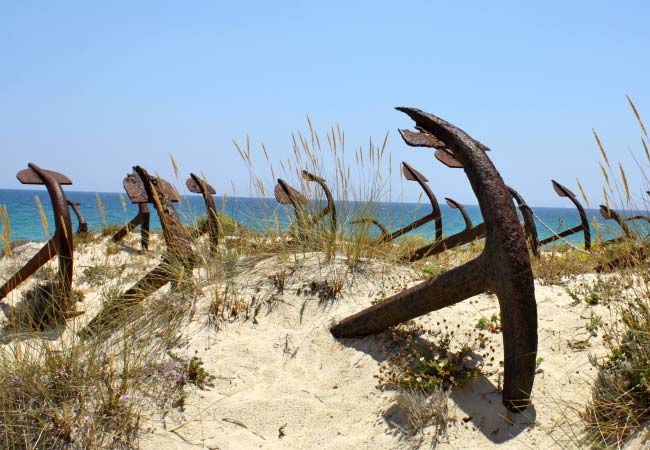
Praia do Barril: A beautiful sandbar beach reached by a miniature train across the Ria Formosa. Hundreds of rusting anchors stand in the dunes, left by a former tuna-fishing community as a memorial to their lost industry. One of the most unusual sights in the Algarve.
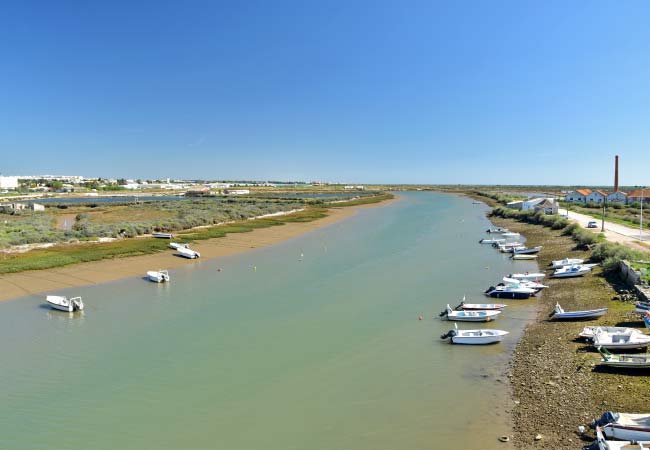
Ria Formosa: The protected lagoons and mudflats that separate Tavira from its beaches. Hire a kayak, paddle the calm waterways, and keep an eye out for the tiny seahorses that live here.
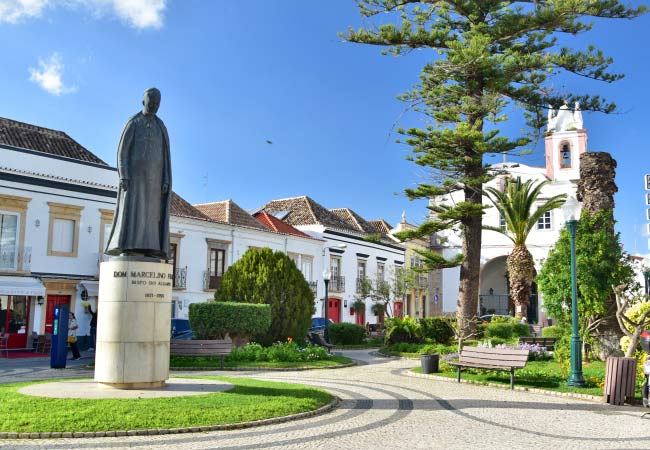
The pace of Tavira: So difficult to capture in words, but it is the reason so many people, myself included, rate Tavira so highly. Peaceful days drift between cafes, long lunches by the river, and evenings spent in the bars of the old town. You will find yourself slowing down within hours of arriving.
Related article: Sights and activities of Tavira
Is Tavira the ideal holiday destination for you?
Tavira is the right choice for you if you value character and charm over the thrills of the central Algarve, with its water parks, theme parks, and lively nightlife. The town sits within the calmer eastern Algarve, roughly 30km east of Faro and 25km west of the Spanish border, in a region that attracts far fewer tourists than the resorts further west. You will feel the difference the moment you arrive.
What Tavira asks of you is to slow down. Days here are spent lounging on a sandbar beach, lingering over a long lunch by the river, or wandering the cobbled streets without much of a plan. This is not a hectic destination, and that is precisely the point. It is why I brought my older parents here when they wanted a holiday in Portugal, and why I would not have brought my brother and his teenagers, who would have been restless within a day.
For a town of its size, Tavira has a surprisingly wide selection of restaurants, cafes, and shops, drawing visitors in from across the eastern Algarve. I find it also makes a wonderful base for exploring the wider region. The regional train runs eastward to the pretty border town of Vila Real de Santo António, and westward to the fishing port of Olhão and the historic city of Faro, all within easy reach for a day trip.
The one thing I would flag is the summer heat, July and August can be uncomfortable for sightseeing. For a sightseeing holiday I consider April to June to be the best months, when the weather is warm and bright but not yet fierce, and the town has not yet filled with summer crowds.
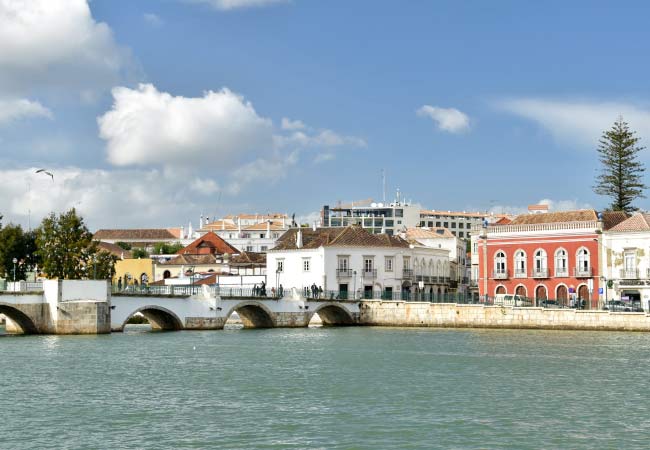
The Gilão River flows through the centre of Tavira and is spanned by the Ponte Romana bridge
A day trip to Tavira
Tavira is one of the most popular day trips in the eastern Algarve, and if you have the chance to visit, you should take it. The town is a joy to explore, with over 36 churches and historic buildings set around pretty cobbled streets and the Gilão River. It is compact enough to cover on foot in around four hours, but you can easily extend the day by taking the ferry across to the Ilha de Tavira, or heading west to the octopus fishing village of Santa Luzia and the Praia do Barril.
If you are based in one of the larger resort towns such as Albufeira or Vilamoura, a day in Tavira shows you what the Algarve was like before mass tourism arrived. Getting here is easy enough: the town sits just off the A22 motorway, and there are also regular train and bus services connecting Tavira to the surrounding region.
The best way to explore the town is to simply wander. Lose yourself in the maze of streets, and enjoy discovering the plazas, historic buildings, and family-run restaurants as you go. If you would prefer a more structured route, the interactive map below sets out a three-hour walking tour, beginning at the train station to the southwest of the centre. Zoom in or out to see all of the points.
Legend: 1) Igreja da Misericórdia 2) Castelo de Tavira 3) Camera Obscura 4) Convento da Graça 5) Igreja de Santa María 6) Câmara Municipal 7) Praça da República 8) Ponte Romana 9) Jardim da Alagoa 10) Igreja de Nossa Senhora 11) Jardim Público 12) Antigo mercado do peixe 13) Porto de Pesca 14) Mercado Municipal
How long to spend in Tavira?
Most visitors spend a day or two in Tavira as part of a touring holiday, but it also works beautifully as a base for a longer stay of five days or more. The town itself is compact enough to cover in a single day, though two days is better if you want to take in more of the surrounding area. I would suggest spending the first day exploring the historic sights, and the second on Santa Luzia and the Praia do Barril, or simply unwinding on the beaches of the Ilha de Tavira.
A five-day stay opens up the wider eastern Algarve, with time for day trips to Vila Real de Santo António, Olhão and Castro Marim, all of which are easy to reach by train or bus. As the largest town in the eastern Algarve, Tavira has a wide selection of restaurants and bars, and you could happily eat and drink somewhere completely different every night of your stay.
Related articles: 1 week in Tavira
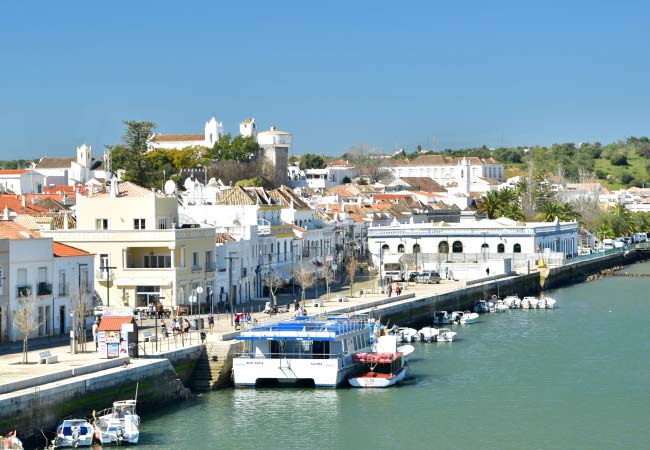
The fishing fleet of Tavira moored along the harbourfront
Does Tavira have good beaches?
The Tavira region has some of the most glorious sandy beaches in the Algarve, but I should be upfront with you: none of them are within easy walking distance of the town. This is the one thing that catches visitors off guard, so it is worth understanding before you book.
The beaches lie on the southern side of the Ilha de Tavira, a barrier island stretching for over 10km, roughly 3km from the centre of town. The island is separated from the mainland by the waterways and mudflats of the Parque Natural da Ria Formosa, and to reach it you need to catch a ferry, either from the Cais das Quatro Águas year-round or from the centre of Tavira during the summer months. The Praia do Barril can be reached on foot or by miniature train, but it sits 5km from the town centre.
Along the Ilha de Tavira you will find three main beaches: the Praia de Tavira, the Praia da Terra Estreita, and the Praia do Barril. All three have soft golden sand backed by rolling dunes, and the seas here are among the calmest in Portugal. Set well back from the open Atlantic and facing south-east, these beaches are sheltered from both the swells that roll into the western Algarve and the prevailing winds that whip along the coast. The result is gentle, family-friendly water that is ideal for young children, though I should warn you that it stays on the chilly side year-round, even at the peak of summer.
Related articles: Tavira beach guide - Praia do Barril
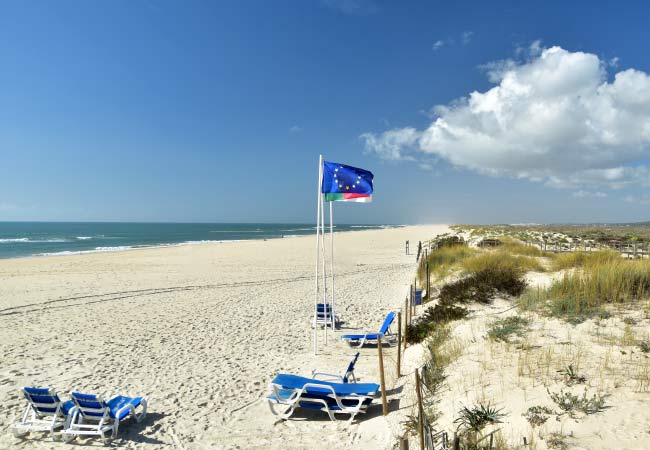
The empty beaches of Praia da Terra Estreita
Hotels and accommodation in Tavira for 2026
Tavira has a wide selection of accommodation, ranging from large hotel complexes on the edge of town, through to characterful hotels in the centre and many rental apartments.
During the summer, demand for accommodation outstrips supply, and the best places sell out months in advance. If you are planning a holiday during the peak season (June to the end of September), always book your accommodation as soon as possible.
Insight: Due to the ongoing housing issues in popular tourist areas throughout Portugal, I cannot recommend rental apartments in any residential areas of Tavira. The problem stems from investors purchasing houses and apartments for short-term rentals, which pushes up rents and makes house ownership unachievable for locals. If you are a tourist, please stay in a hotel, guest house, or hostel.
The two largest and best hotels in Tavira are the 4-star Maria Nova Lounge (link opens new window) and the Vila Gale Tavira, both of which are well regarded and offer extensive facilities. For something with more character, the Pousada da Graça, housed in a former convent and painted a distinctive bright yellow that you can't miss. If you prefer somewhere smaller and more personal, the Almatere Food Forest Boutique Hotel is worth a look. Further out, the Ozadi Tavira Hotel lies 3km to the west of Tavira and is another solid option.
If you would prefer an apartment with a small kitchenette, the Quinta do Morgado could be a good choice. There are also many guesthouses in Tavira, often converted from the grand merchant villas that line the banks of the river, including the Formosa Guest House, Princesa do Gilão and the Residencial Mares.
This is just a small selection of what is available. There are many more options, but always check recent reviews before booking.
We have worked with Booking.com for the past seven years, and the map below displays the best hotels and accommodation in Tavira. If you adjust the dates to suit your holiday, it will display current prices and availability.
Insight: Many hotels offer free cancellation, and this can be a good tactic for securing a low-priced room, while allowing you to browse other options up until your holiday.
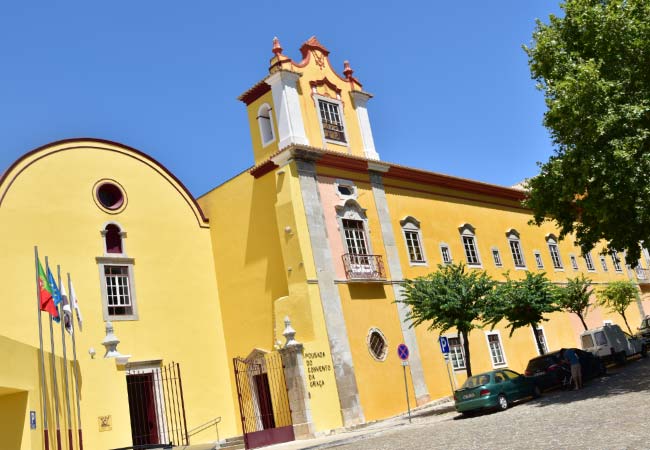
The bright yellow Pousada da Graça
Tavira's weather and when to visit
Tavira has four tourist seasons: the peak months (mid-July to the end of August), the high season (June to mid-July and September), the shoulder season (April to May and October) and the low season (November to March).
The weather is suitable for spending time on the beaches from May until the end of September. I consider the best time of year to visit Tavira to be June or September. when the weather is warm, sunny and bright, but the heat is less intense. These months also avoid the worst of the summer crowds.
The weather in winter is unpredictable, but there will generally be more sunny days than cloudy, wet days. The low season (November to March) is ideal for a touring, hiking or cycling holiday. Unlike many smaller Algarve towns, Tavira has a large permanent population, so all restaurants, cafes and bars remain open year-round.
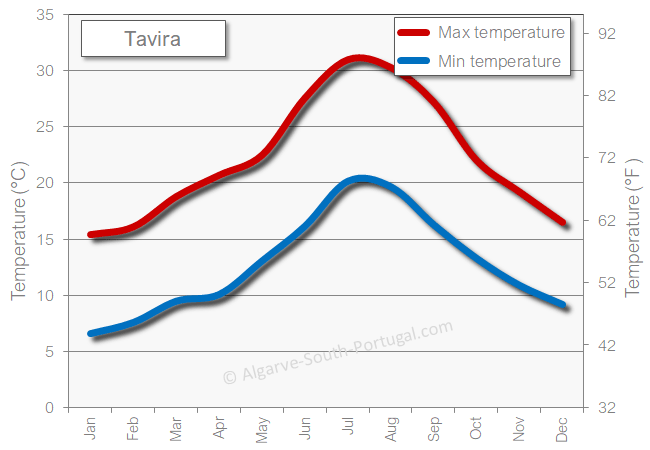
The average day time maximum and the nighttime minimum temperature for Tavira
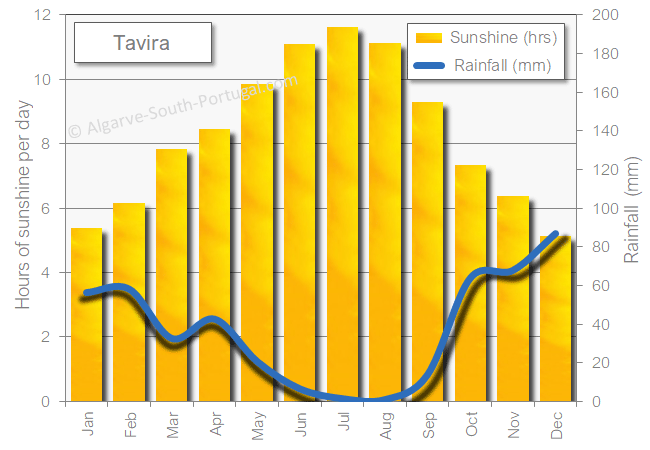
The average hours of sunshine per day and monthly rainfall (in mm)
Faro Airport and airport transfers
Faro Airport is the international airport of the Algarve, sitting 35km to the west of Tavira. The most convenient way to make the onward journey is to pre-book a private transfer, which costs around €44 and takes 40 minutes door-to-door.
You can also hire a taxi from the rank outside departures, but this works out considerably more expensive, in the region of €70 to €80. If you do go this route, always make sure the meter is switched on before you set off. I personally use Uber, though I have the luxury of travelling outside the peak summer months. An Uber from the airport to Tavira costs around €35 depending on your drop-off point, but prices climb during busy periods. In July and August, both Uber and Bolt suffer from extremely high demand, and you can wait a long time to connect to a driver.
The cheapest option is public transport, but the journey is surprisingly long. It involves a bus from Faro Airport to Faro train station, followed by the slow regional train from Faro to Tavira. The fare comes in at just €7.50, but the trip can take up to two hours because of the infrequent departures. After a long flight I never have the energy for this, and I always end up reaching for the Uber app.
Related articles: Faro airport to Tavira
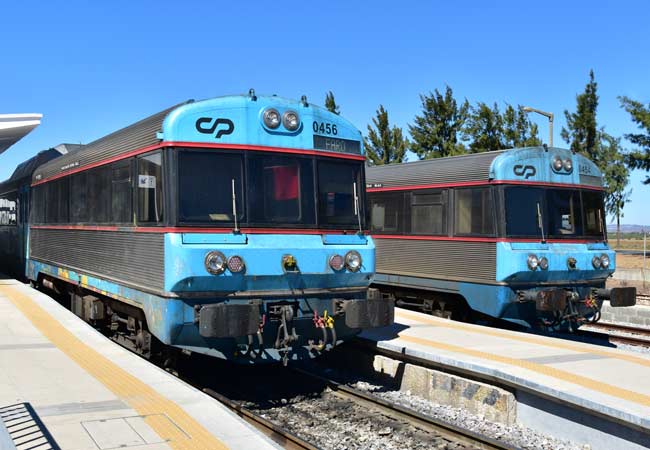
The slow Algarve regional train service
What could you see and do in a week in Tavira?
Tavira may be best known as a beach destination, but there is plenty to fill a week here without repeating yourself. You could spend a morning in Santa Luzia, the tiny fishing village famous for its octopus, or take the miniature train out to the Praia do Barril and the rusting anchors of the Cemitério das Âncoras. Golfers are well served by the Benamor and Quinta da Ria courses, both of which are within easy reach.
The city of Faro is worth a day, particularly for its walled old town and its unsettling bone chapel. A kayak tour through the Ria Formosa is one of the best ways to experience the lagoons up close, and for something completely different, the border town of Vila Real de Santo António sits on the Guadiana River with Spain visible on the opposite bank.
Related articles: Tavira day trips
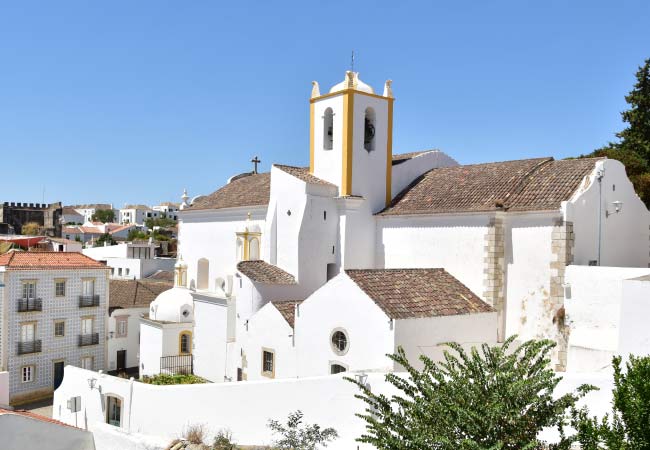
The ancient Igreja de Santa María do Castelo
Who should visit Tavira?
Tavira is a great destination if you want more than beautiful beaches and glorious weather for your holiday. The town is a mature and unhurried destination, which combines an authentic Portuguese experience with modern tourist facilities and services.
Tavira is far removed from the hecticness of the central and western Algarve, and is not a holiday destination for groups seeking crazy nightlife and excessive drinking. If you are purely after a beach-focused holiday, then there are better locations in the Algarve than Tavira, such as Albufeira, Vilamoura and Praia da Rocha. Tavira’s beaches are beautiful, but there are none within walking distance, and a ferry must be caught.
The town is popular among families with young children, who are drawn by the calm and welcoming atmosphere. It offers a wide range of family-friendly restaurants and hotels, while the beaches close to Tavira are safe and suitable for children.
Families with teenagers may prefer to be based within the central or western Algarve, as Tavira is a long distance from the excitement of the theme parks and waterparks.
Our most popular guides to Tavira and the eastern Algarve


About this guide: I am Philip Giddings. I live in Lisbon with my Portuguese wife, Carla, whose family and friends are in the Algarve, and I am down in Tavira most months to research these guides, which are now my full-time work. I made my first trip to Portugal in 2001 and have written independent guides since 2009.
My Tavira guides are part of a wider set of almost 2,000 I have written across Portugal. No tourist board, tour operator, or attraction pays to be included, and the site is funded by affiliate commissions on tour and accommodation bookings, disclosed on every page that carries them. Every practical detail (ticket prices, opening hours, bus routes, boat-tour policies) is checked against the official sources and confirmed in person on the trips I make through the year.Read the full story here.