Algarve-South-Portugal.com
The best independent guide to the eastern Algarve
Algarve-South-Portugal.com
The best independent guide to the eastern Algarve
Day trips to the Eastern Algarve – where to visit in 2026
Millions of visitors flock to the western and central Algarve, drawn by the glorious beaches and lively towns. The eastern stretch of the coast, by contrast, remains quietly itself. This is the Portugal of a generation ago, where traditional towns carry on at their own unhurried pace.
Towns such as Tavira, Olhão and Vila Real de Santo António have held on to their historic centres, their fishing heritage and a genuinely Portuguese way of life. The beaches here rank among the Algarve's finest, yet even at the height of summer they remain blissfully uncrowded.
This is the side of the Algarve I love: the traditional town life, the pristine beaches, the unspoilt countryside. Portuguese culture is the main attraction here, not a backdrop to it. If you are staying in one of the buzzing but culturally hollow resort towns, I would encourage you to take a day trip east. The regional train serves the entire coastline, making it surprisingly simple.
I have lived in and explored the Algarve since 2001. Together with my Portuguese wife, we have spent more than two decades welcoming friends and family to this region and showing them the places we genuinely return to ourselves.
Highlights of the East Algarve for a day trip
Tavira: The town I regard as the prettiest town in the Algarve, and with good reason. A graceful Roman bridge spans the River Gilão, linking two halves of a town rich in churches, tiled rooftops and quiet cobbled lanes.
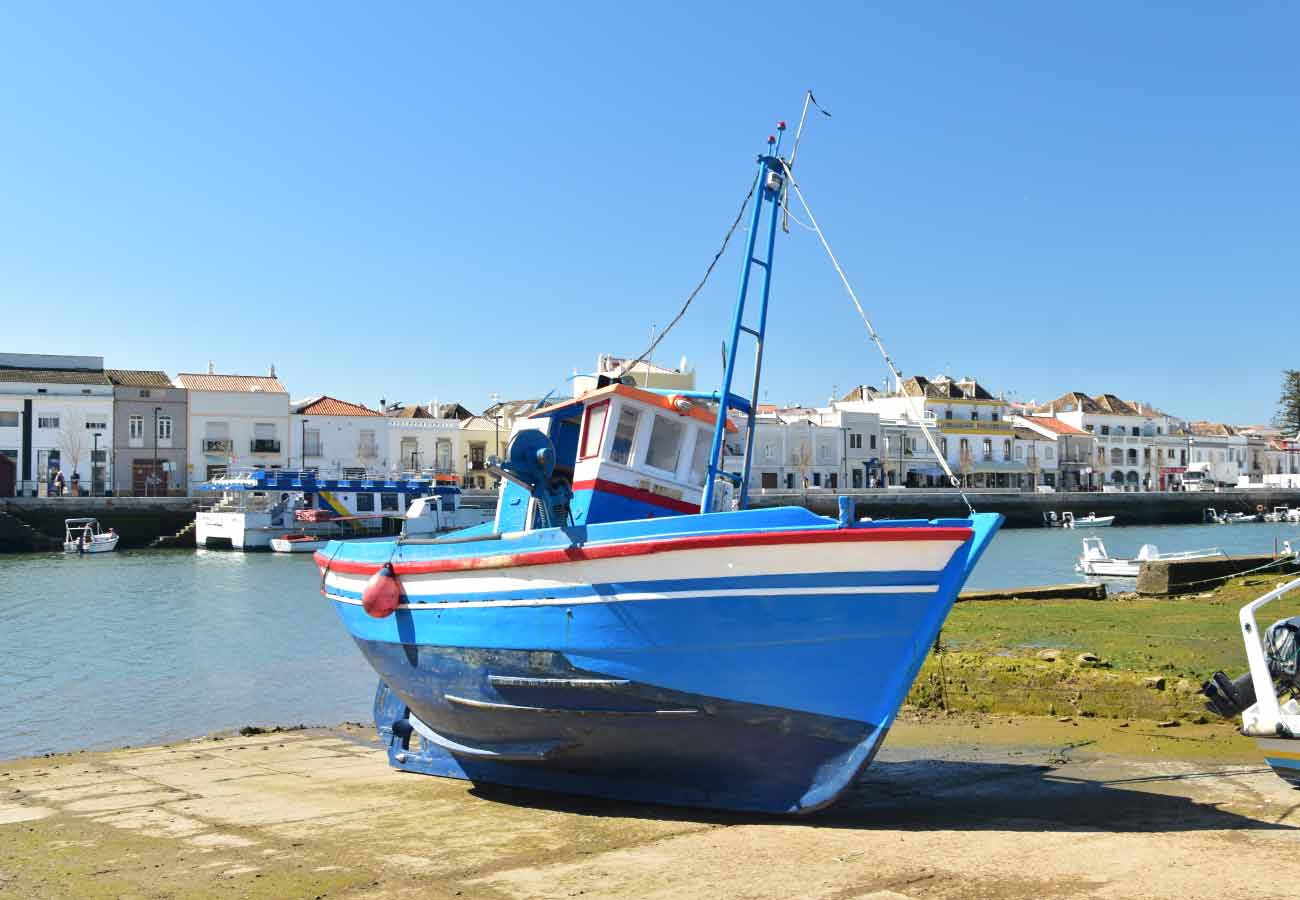
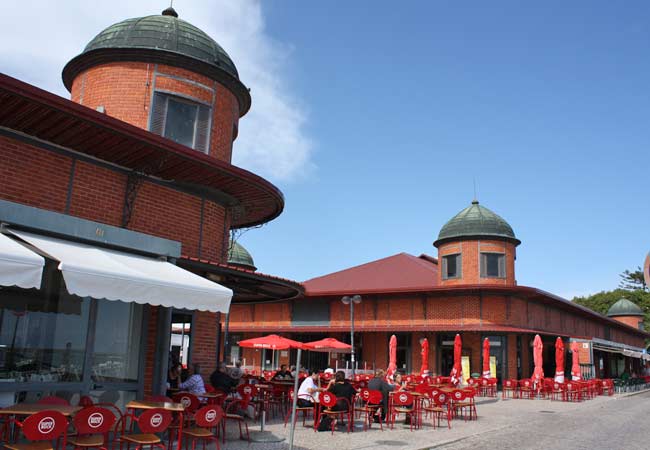
Olhão: A working fishing town with no pretensions. The waterfront market is the heart of it: bustling, colourful and packed with locals buying the morning's catch straight off the boats.
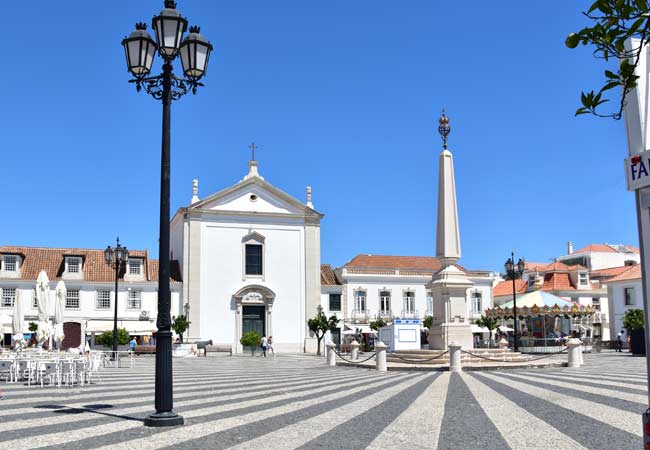
Vila Real de Santo António: A handsome grid-planned town at Portugal's easternmost point, built in the style of downtown Lisbon. The wide Guadiana River separates it from Spain, and a short ferry ride connects the two countries.
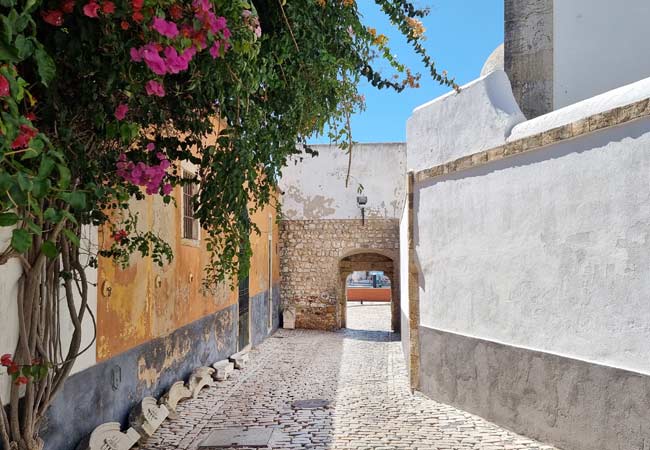
Faro: The Algarve's quietly impressive capital. Within its medieval walls lies a beautifully preserved old town, of cobbled streets and the ancient cathedral. Beyond the walls, the Capela dos Ossos offers a stark reminder of mortality; its every surface decorated from human bones.
Castelo de Castro Marim: A hilltop fortress with sweeping views across salt marshes to Spain. Two remarkably intact castles stand side by side here, guarding a border that has been contested for centuries.

If you only have time for one or two towns, here is how I would rank them:
1) Faro 2) Tavira 3) Olhão 4) Loulé (central Alagvre) 5) Vila Real de Santo António 6) Castelo de Castro Marim
Each of these towns has its own detailed guide further in this article.
If you would rather explore with a local guide than go it alone, GetYourGuide offers some excellent tours of the region, including:
Lesser-Known Sights to Add to Your Day Trip
The main towns will comfortably fill a day, but some of the east Algarve's most memorable spots are the smaller, quieter ones in between. With a car, any of these are worth a detour:
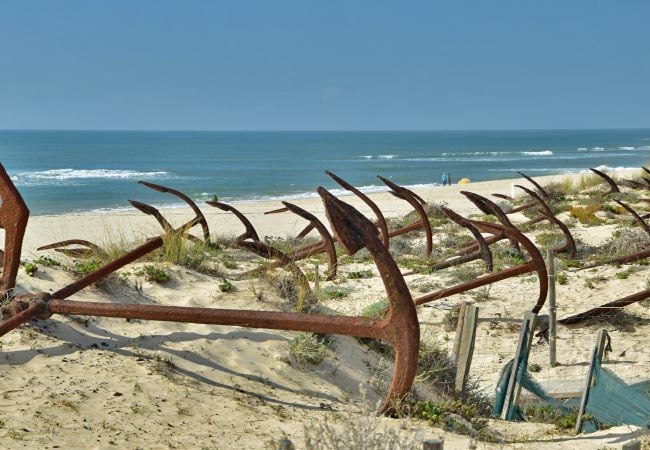
Praia do Barril: A miniature train carries you across the lagoon to this beautiful beach, where hundreds of rusting anchors from the old tuna fishing fleet stand upright in the sand. The Anchor Cemetery is a haunting memorial to a vanished industry, and one of the most unexpected sights in the Algarve.
Cacela Velha: A tiny, whitewashed village perched on a clifftop above the Ria Formosa. There is almost nothing here beyond a quiet church square and the remains of an old fortress, which is precisely the point. The views across the lagoon to the Atlantic are extraordinary.

Ilha da Culatra: A car-free island reached only by boat from Olhão. A small fishing community, a lighthouse and kilometres of pristine, undeveloped beach. Even in August, you may have the sand largely to yourself.
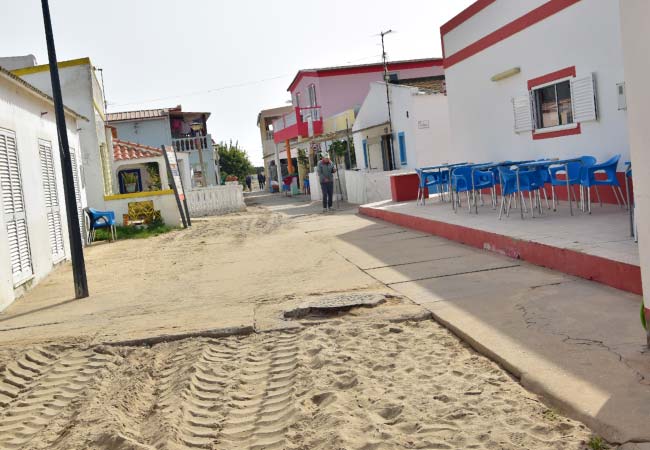
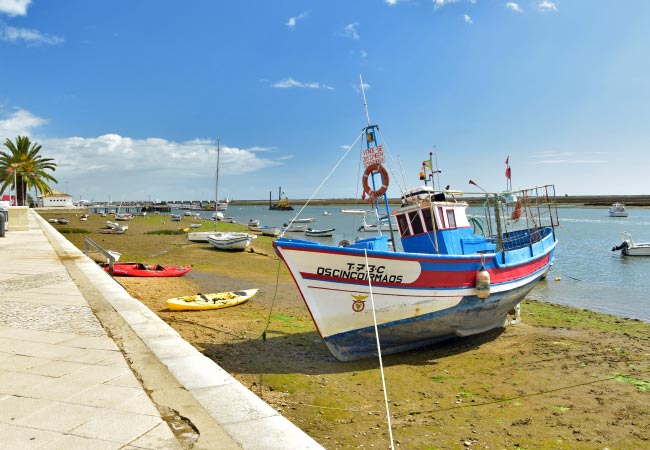
Santa Luzia: This tiny village has built its entire identity around octopus. Fishermen still catch it using traditional clay pots, and the waterfront restaurants serve it in every way imaginable. A peaceful spot to linger over a long lunch.
Praia da Ilha de Tavira: A short ferry from the centre of Tavira brings you to this barrier island beach: kilometres of golden sand and calm waters.
Map of the Eastern Algarve
The interactive map below shows the towns and lesser-known sights of the Easter Algarve. (Note: zoom in or out to see all of the points)
Legend: 1) Tavira 2) Olhão 3) Vila Real de Santo António 4) Faro 5) Castelo de Castro Marim 6) Praia do Barril 7) Cacela Velha 8) Ilha da Culatra 9) Santa Luzia 10) Praia da Ilha de Tavira
Exploring the East Algarve Without a Car: Easier Than You Think
The East Algarve boasts an excellent transport network that makes independent exploration simple and affordable. The railway line runs the entire length of the eastern region, connecting all major towns with frequent, reliable services. Clean, modern trains link Faro, Olhão, Tavira and Vila Real de Santo António, with journeys costing just a few euros. The stations are centrally located, placing you directly in the heart of these historic towns the moment you step off the train.
From Western/Central Algarve Resorts:
• From Albufeira to Faro: ~30 minutes (€3.60)
• From Albufeira to Tavira: ~1 hour 15 minutes (€6)
Between Eastern Algarve Towns:
• Faro to Olhão: 10 minutes (€1.60)
• Faro to Tavira: 30 minutes (€3.10)
• Tavira to Vila Real de Santo António: 25 minutes (€2.80)
Trains run roughly hourly throughout the day, giving you flexibility for your return journey. Full detail can be seen on the Comboios de Portugal (CP) website: https://www.cp.pt/
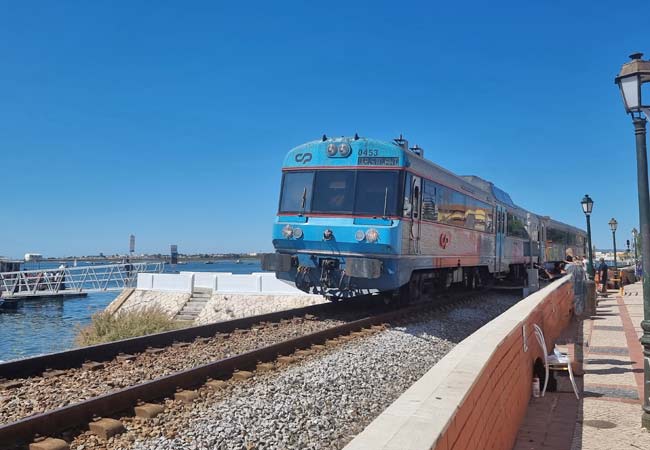
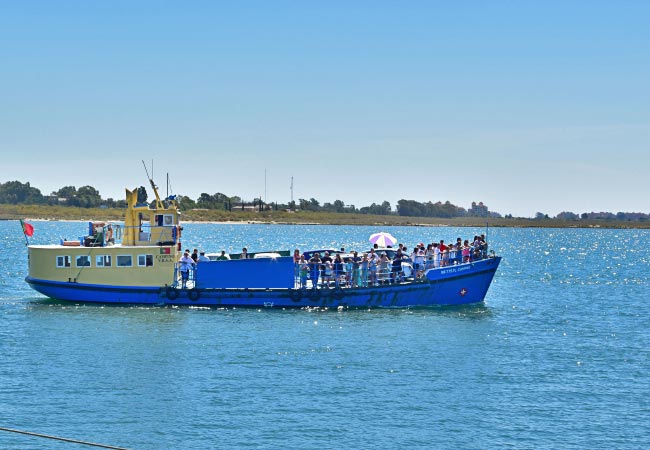
Within each town, everything is walkable. The compact historic centres mean you can easily explore on foot, wandering through charming streets and discovering hidden corners without needing any further transport. Even some of the beaches are accessible by public ferry services from the towns. From Tavira, regular boats take visitors to Ilha de Tavira beach, while from Olhão you can reach the islands of Armona and Culatra.
Don't let transport concerns keep you confined to just one part of the Algarve. The eastern region's treasures are just a simple train journey away, offering a more authentic Portuguese experience that perfectly complements the resort atmosphere of the central and western areas.
Day Trip to Olhão
Olhão offers visitors an authentic glimpse into traditional Algarve life, centered around its fishing heritage. Begin your exploration at the famous red-brick markets (Mercados de Olhão), two distinctive buildings along the waterfront where fishermen bring their daily catch. The atmosphere inside is vibrant and colourful, with the seafood market particularly impressive.
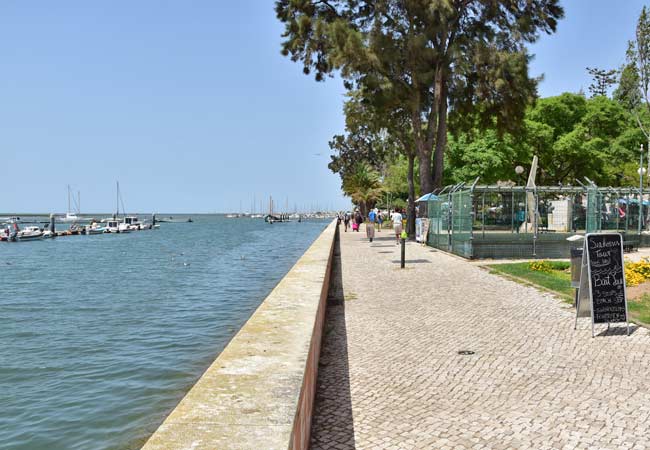
The waterfront promenade (Avenida 5 de Outubro) provides a pleasant walk alongside the Ria Formosa lagoon. From here, you can hop on a ferry to visit the barrier islands with their pristine beaches. Ilha da Armona is the closest, just a 15-minute boat ride away, offering golden sands and crystal-clear waters.
Stroll through the historic neighbourhood of Barreta, characterized by cube-shaped whitewashed houses with distinctive Moorish-influenced rooftops and intricate chimneys. The narrow, winding streets create a labyrinth worth getting lost in, with unexpected squares and hidden corners revealing the town's character.
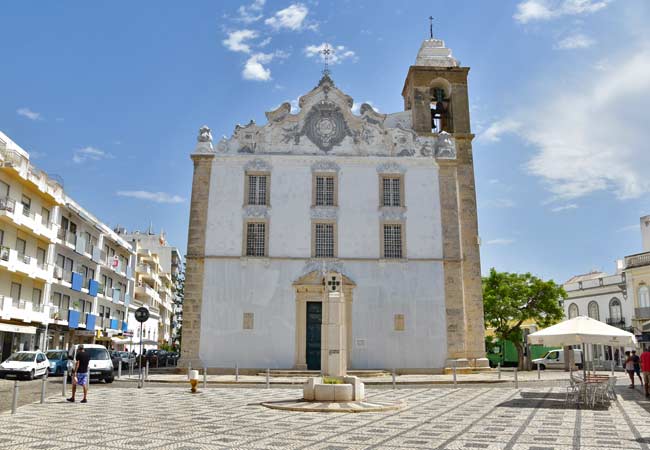
Don't miss the Igreja Matriz (Parish Church), a simple but beautiful 17th-century church with an impressive baroque altar, or the Chapel of Nossa Senhora dos Aflitos with its striking blue-and-white tiled façade.
Olhão's charm lies in its authenticity-this is a working town first and tourist destination second, giving visitors a genuine Portuguese experience away from the more developed western Algarve resorts.
Day Trip to Tavira
Tavira straddles the Gilão River with its Roman bridge connecting the two sides of this enchanting town. With over 37 churches, Tavira boasts remarkable religious architecture spanning various periods. Begin at the Igreja de Santa Maria do Castelo, built on the ruins of a mosque and containing the tombs of seven knights killed by Moors in 1242.
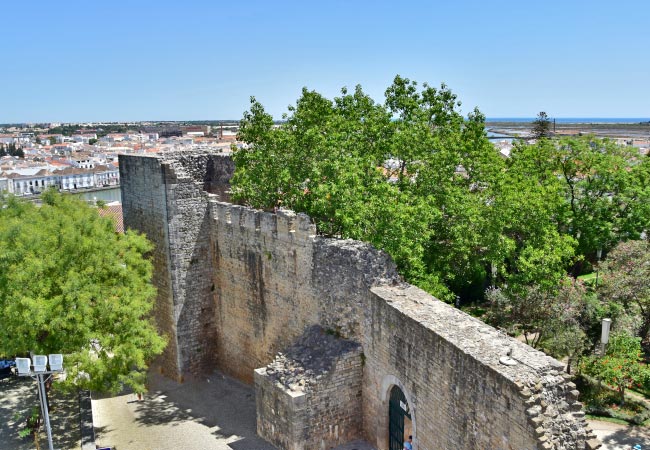
Climb to the castle remains for panoramic views over Tavira's distinctive rooftops and surrounding countryside. Though mostly in ruins, the castle's walls and garden provide insight into the town's strategic importance throughout history.
The Camera Obscura, housed in the old water tower, offers a unique 360° real-time projection of the town. This fascinating optical device provides both entertainment and a different perspective on Tavira's layout.
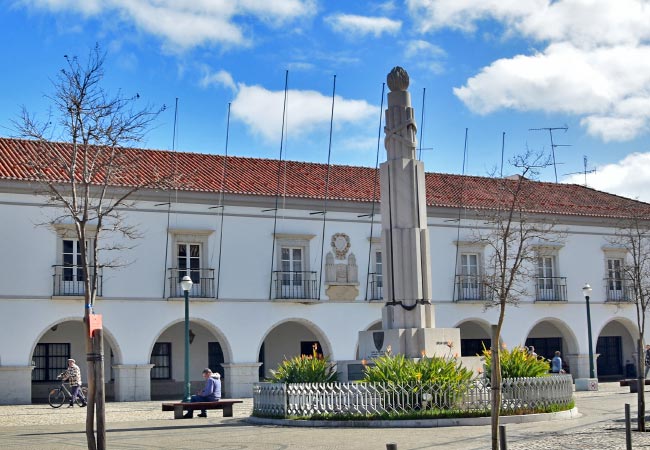
Wandering through the cobbled streets reveals numerous architectural gems, including the 16th-century Igreja da Misericórdia with its renaissance portal and magnificent azulejo tiles inside. The Praça da República forms the heart of town life, a vibrant square where locals gather around the bandstand.
Cross the seven-arched Roman bridge (though the current structure dates mostly from the 17th century) and explore the riverfront with its traditional salt pans visible in the distance.
The Palácio da Galeria houses temporary exhibitions in a beautifully restored Renaissance building, worth visiting both for its architecture and cultural displays.
Tavira's unhurried pace and preserved historic center create an atmosphere of timeless elegance that transports visitors to a more genteel era of Algarve life.
Day Trip to Faro
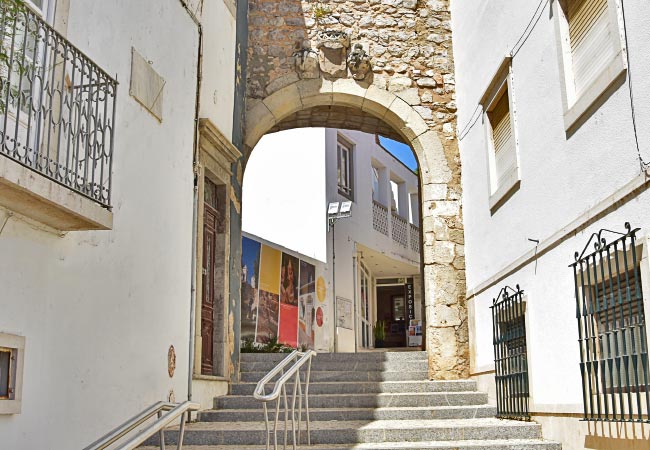
Faro, the Algarve's capital, offers much more than just an entry point to the region. Begin your exploration in the Old Town (Cidade Velha), enclosed by medieval walls with the impressive Arco da Vila serving as its grand entrance. This 19th-century neoclassical arch incorporates an original Moorish gateway visible inside.
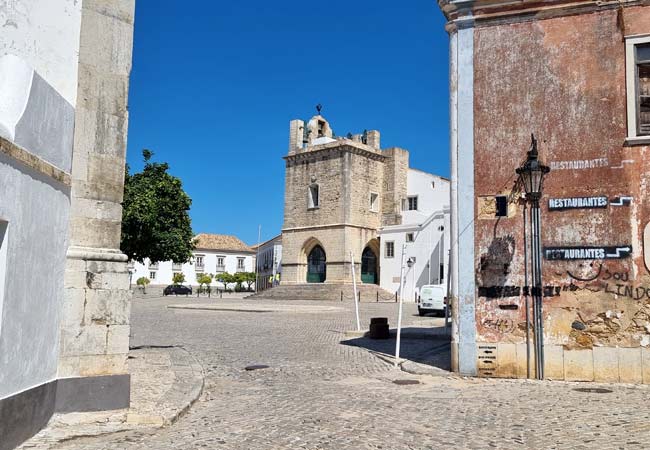
The cobblestone streets lead to the 13th-century Cathedral (Sé), worth ascending for panoramic views from its tower. Inside, admire the intricate azulejo tiles and a magnificent 17th-century gilded wooden altar. Nearby, the Episcopal Palace adds to the architectural splendour of the cathedral square.
For something uniquely haunting, visit the Capela dos Ossos (Bone Chapel) within the Igreja do Carmo, where the walls are decorated with the bones of over 1,000 monks - a sombre reminder of mortality.
Wander along Rua de Santo António, Faro's main shopping street, to observe local life and admire the 19th-century architecture. The nearby Manuel Bivar Garden provides a shady respite alongside the marina.
Faro maintains an authentic Portuguese character despite being a provincial capital. Its compact historic center, cultural attractions, and gateway to natural wonders make it an essential day trip destination in the Algarve.
Day Trip to Vila Real de Santo António
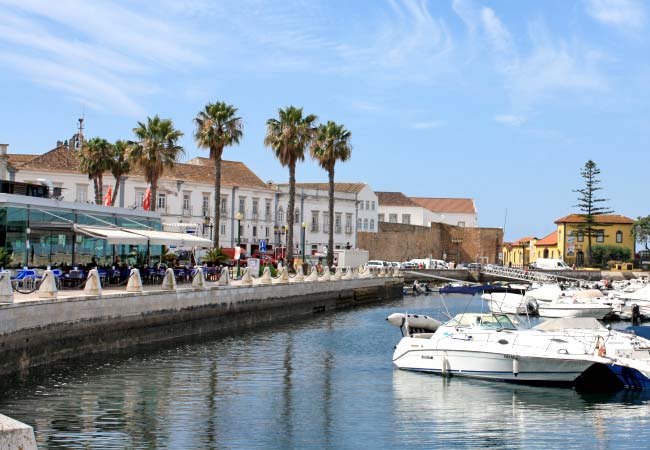
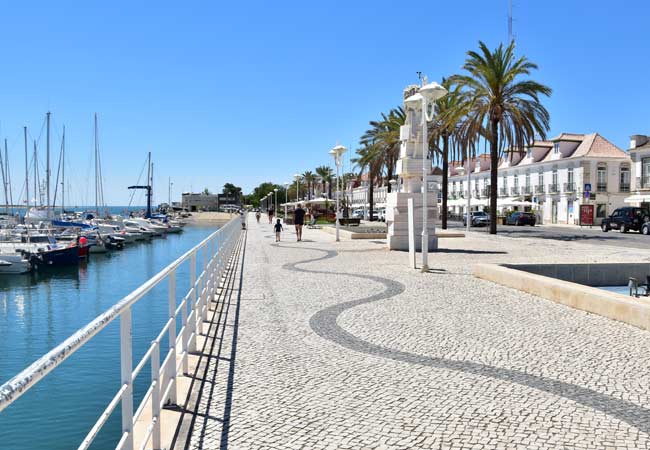
Vila Real de Santo António, sitting at Portugal's eastern edge along the Guadiana River, offers visitors a fascinating planned city built from scratch in 1774 under Marquês de Pombal's direction. Begin your exploration in the striking Praça Marquês de Pombal, a perfectly symmetrical square paved in a black and white mosaic pattern radiating from its central obelisk. The surrounding buildings showcase the town's uniform Pombaline architecture, characterized by elegant simplicity.
Stroll down Avenida da República, the main commercial street, where traditional Portuguese businesses operate beneath covered arcades. The Igreja Matriz (Parish Church), while modest in appearance, fits perfectly into the town's architectural harmony.
At the river's edge stands the Arquivo Histórico Municipal, a former lighthouse keeper's residence that now serves as the town's historical archive. From here, continue south to Ponta da Areia for views of where the Guadiana meets the Atlantic.
The charming riverside promenade extends along the Guadiana River, providing views across to Spain. Here you'll find the ferry terminal for the short crossing to Ayamonte, Spain - an exciting way to visit two countries in one day. The 15-minute ferry ride offers beautiful views of both riverbanks.
Our most popular guides to the Eastern Algarve


Expert Insight: These guides are curated by Philip Giddings, a travel writer with over 25 years of local experience in Portugal. Since 2008, Phil has focused on providing verified, on-the-ground advice for the Algarve region, supported by deep cultural ties through his Portuguese family. Read the full story here.
Algarve-South-Portugal.com, with over 200 pages of holiday guides, if it's not here, it's probably not in the Algarve
 -
-

